
Jazzy Power Chair Repair Manual: A Comprehensive Guide
This manual details repair procedures for Jazzy power chairs‚ including models like the 600/600XL and Select Series. Pride Mobility provides resources‚ parts diagrams‚ and safety guides for effective maintenance and troubleshooting.
Jazzy power chairs‚ manufactured by Pride Mobility‚ represent a significant advancement in personal mobility solutions. These chairs are renowned for their robust construction‚ innovative features‚ and commitment to user comfort. Understanding the intricacies of these chairs is crucial for effective repair and maintenance. Pride Mobility offers a diverse range of models‚ including the Jazzy Select Series and the classic Jazzy 600/600XL‚ each with unique characteristics.
Proper maintenance ensures longevity and optimal performance.
Understanding Jazzy Power Chair Models
Jazzy offers diverse models‚ each requiring specific repair approaches. The Jazzy Select 6‚ known for its mid-wheel drive‚ differs significantly from the Jazzy Select Elite with its enhanced features. The Jazzy Select Sport prioritizes maneuverability. Older models like the Jazzy 600/600XL utilize simpler designs‚ impacting troubleshooting;
Pride Mobility’s website and manuals detail model-specific components and diagrams. Identifying the exact model is vital before initiating any repair work.
Safety Precautions for Repair
Prioritize safety during all repairs! Disconnect the power source – remove the key and disable the battery – before commencing any work. Wear appropriate safety glasses and gloves. Never work on live electrical components. Support the chair securely to prevent accidental movement.
Consult the Pride Mobility consumer safety guide for detailed precautions. Improper repairs can lead to injury or damage; seek professional assistance if unsure.

Common Jazzy Power Chair Issues
Frequent problems include battery failures‚ motor malfunctions‚ and controller/wiring faults. Troubleshooting these issues requires diagnostic tools and a systematic approach to repair.
Battery and Charging System Problems
Battery issues are common‚ manifesting as reduced run time or failure to charge. Testing batteries with a multimeter is crucial to assess their health and capacity. Charger troubleshooting involves checking the power supply‚ connections‚ and indicator lights. Inspect wiring harnesses for damage or corrosion‚ as faulty connections impede charging. Replacement batteries must match voltage and amperage specifications. Regularly check for loose connections and ensure proper ventilation during charging to prevent overheating and extend battery life.
Motor and Drive System Failures
Motor failures often present as a lack of power or erratic movement. Testing motors requires checking for voltage and continuity. Gearbox inspection is vital‚ looking for worn gears or lubrication issues. Wheel and tire maintenance includes checking for proper inflation and alignment. Motor replacement demands matching voltage and wattage. Address drive system issues promptly to prevent further damage. Regularly inspect for unusual noises or vibrations‚ indicating potential problems within the motor or gearbox assembly.
Controller and Wiring Issues
Controller diagnostics involve checking for error codes and testing input signals. Wiring harness repair requires identifying breaks or shorts‚ often needing full replacement. Joystick calibration is crucial for accurate control; follow the manufacturer’s procedure carefully. Inspect wiring for corrosion or damage. Faulty controllers can cause unpredictable behavior. Ensure proper connections and secure wiring throughout the chair. Prioritize safety when working with electrical components‚ disconnecting the battery first.

Tools and Equipment Needed for Repair
Essential tools include hand tools‚ a multimeter for diagnostics‚ and specialized equipment for power chairs. Pride Mobility recommends specific tools for efficient repairs and maintenance.
Essential Hand Tools
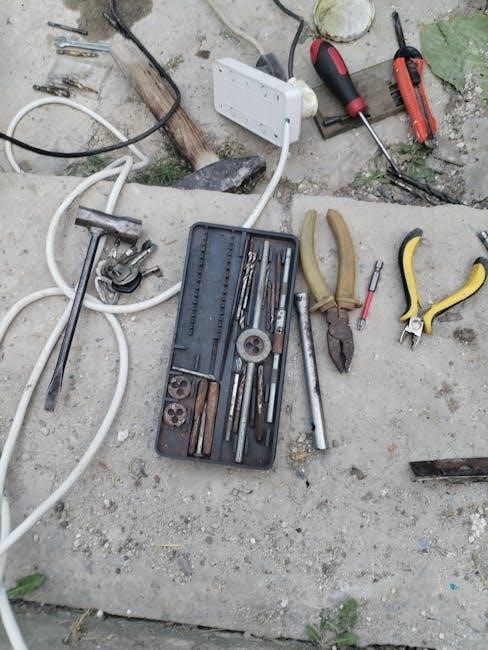
A comprehensive toolkit is crucial for Jazzy power chair repairs. Essential items include a socket set‚ wrenches (metric and standard)‚ screwdrivers (Phillips and flathead)‚ pliers‚ wire strippers‚ and a crimping tool. Having quality Allen wrenches is also vital for various components. Don’t forget a rubber mallet‚ multimeter‚ and potentially a heat gun for specific wiring tasks. Ensure all tools are insulated for safety when working with electrical systems. Proper organization of these tools will streamline the repair process‚ improving efficiency and reducing frustration.
Diagnostic Tools (Multimeter‚ etc.)
Accurate diagnosis requires specialized tools. A digital multimeter is essential for testing voltage‚ continuity‚ and resistance within the electrical system. A battery load tester verifies battery health and capacity. Consider an oscilloscope for analyzing complex waveforms. Diagnostic software (if available for the specific model) can pinpoint error codes. A circuit tester helps quickly identify live wires. Properly understanding how to use these tools is paramount for safe and effective troubleshooting of Jazzy power chair issues.
Specialized Tools for Power Chairs
Beyond standard tools‚ power chair repair demands specifics. A wheel alignment tool ensures proper tracking and handling. Joystick calibration tools are vital for responsive control. Specialized crimpers are needed for power chair wiring harnesses. Torque wrenches prevent over-tightening delicate components. Bearing pullers aid in gearbox service. A good set of hex keys is crucial. Investing in quality‚ power chair-specific tools streamlines repairs and minimizes damage during maintenance procedures.

Repairing the Battery and Charging System
Proper battery testing and replacement are key‚ alongside charger troubleshooting. Inspect wiring harnesses for damage‚ ensuring secure connections for optimal power delivery and safety.
Battery Testing and Replacement
Begin with a voltage test using a multimeter to assess battery health; a fully charged battery should read around 24 volts. Perform a load test to determine the battery’s ability to deliver consistent power under demand. If the battery fails these tests‚ replacement is necessary.
Always disconnect the power before removing the old battery. Ensure the new battery is the correct type and voltage for your Jazzy model. Properly dispose of old batteries according to local regulations. Securely connect the new battery terminals‚ verifying polarity before operation.
Charger Troubleshooting and Repair
Begin by inspecting the charger’s cord and connector for any visible damage‚ such as fraying or bent pins. Verify the AC input voltage matches your household current. Use a multimeter to check the charger’s output voltage while connected to a battery; it should indicate the correct charging voltage.
If the charger isn’t functioning‚ check the fuse; Avoid disassembling the charger unless you are qualified; internal components can be dangerous. Contact Pride Mobility or an authorized dealer for repair or replacement if issues persist.
Wiring Harness Inspection
Carefully examine the wiring harness for any signs of damage‚ including frayed wires‚ loose connections‚ or corrosion. Pay close attention to areas that experience frequent flexing‚ like near the joystick or motor connections. Use a multimeter to test continuity in each wire‚ ensuring a complete circuit.
If damage is found‚ repair or replace the affected section of the harness. Ensure all connections are secure and properly insulated. Refer to the Jazzy power chair’s parts diagram for correct wiring configurations.

Fixing Motor and Drive System Problems
Address motor failures by testing and potentially replacing them. Inspect gearboxes for wear and tear‚ and maintain wheels and tires for optimal performance.
Motor Testing and Replacement
Begin by disconnecting the power before testing the motor with a multimeter to check for continuity and voltage. A lack of response often indicates a faulty motor requiring replacement. Ensure the new motor precisely matches the original specifications for compatibility.
Carefully disconnect the wiring harness‚ noting the connections for reassembly. Mount the replacement motor securely‚ aligning it correctly with the gearbox. Reconnect the wiring‚ verifying each connection before restoring power. Test the functionality‚ observing for smooth operation and proper direction.
Gearbox Inspection and Repair
Begin by visually inspecting the gearbox for any signs of damage‚ such as cracks or leaks. Listen for unusual noises during operation‚ indicating worn or broken gears. Carefully disassemble the gearbox‚ noting the arrangement of internal components.
Inspect the gears for wear‚ chipping‚ or breakage‚ replacing any damaged parts. Apply fresh lubricant to all moving parts during reassembly. Ensure proper alignment and secure fastening of the gearbox components. Test the gearbox for smooth‚ quiet operation before reinstalling it.
Wheel and Tire Maintenance
Regularly inspect tires for wear‚ damage‚ and proper inflation. Check wheel alignment to prevent uneven tire wear and ensure smooth operation. Clean wheels and tires with mild soap and water‚ removing any debris. Tighten lug nuts periodically to maintain wheel security.
Replace worn tires with the correct size and type. Inspect bearings for smoothness and lubricate as needed. Address any wheel wobble or instability promptly. Proper wheel and tire maintenance extends component life and enhances safety.
Troubleshooting Controller and Wiring Issues
Diagnose controller problems and repair wiring harnesses carefully. Calibrate the joystick for responsive control. Inspect connections for corrosion‚ ensuring proper functionality and safe operation.
Controller Diagnostics
Begin by visually inspecting the controller for any obvious damage‚ such as cracked housings or loose connections. Utilize a multimeter to test the controller’s voltage output and ensure it aligns with the manufacturer’s specifications. Check for error codes displayed on the controller‚ if applicable‚ as these can pinpoint specific issues.
Systematically test each function – forward‚ reverse‚ left‚ right‚ and speed control – to identify malfunctioning components. Pay close attention to the joystick‚ verifying its smooth operation and accurate signal transmission. If issues persist‚ consider a controller replacement or professional repair.
Wiring Harness Repair and Replacement
Carefully inspect the wiring harness for frayed wires‚ loose connections‚ or corrosion. Use a multimeter to test continuity and identify breaks in the circuit. Repair minor damage with electrical tape or heat-shrink tubing‚ ensuring proper insulation.
For extensive damage‚ complete harness replacement is often necessary. Disconnect the battery before beginning any wiring work. Follow the manufacturer’s wiring diagrams precisely during reassembly‚ verifying each connection. Secure the harness to prevent future damage and ensure safe operation.
Joystick Calibration
Proper joystick calibration is crucial for accurate power chair control. Access the calibration settings through the controller display‚ following the manufacturer’s instructions. Center the joystick during the calibration process‚ ensuring a neutral starting point.
Adjust sensitivity as needed for personalized responsiveness. Test the chair’s movement in all directions after calibration‚ verifying smooth and predictable operation. Repeat the process if inaccuracies persist‚ consulting the owner’s manual for specific troubleshooting steps.
Maintenance and Preventative Care
Regular inspections‚ lubrication‚ and cleaning extend Jazzy power chair lifespan. Check tires‚ batteries‚ and wiring routinely‚ addressing issues promptly for optimal performance.
Regular Inspection Checklist
Prioritize safety with frequent checks. Examine tires for wear and proper inflation‚ ensuring stable mobility. Inspect the battery connections for corrosion and secure fit‚ vital for consistent power. Thoroughly assess wiring harnesses for damage‚ fraying‚ or loose connections – a potential fire hazard.
Test the joystick responsiveness and controller functionality. Verify brake operation for reliable stopping power. Check all moving parts for smooth operation and lubrication needs. Regularly review the owner’s manual for specific maintenance recommendations related to your Jazzy model.
Lubrication Points
Maintaining smooth operation requires targeted lubrication. Focus on wheel bearings and axles‚ applying a lithium-based grease to reduce friction and prevent wear. Lubricate the gearbox – a critical component – following the manufacturer’s specifications for type and frequency.
Check the steering mechanism and pivot points‚ ensuring free movement. Avoid over-lubrication‚ as excess grease attracts dirt. Regularly inspect and lubricate any exposed chains or cables. Refer to your Jazzy model’s service manual for precise lubrication point locations and recommended lubricants.
Cleaning Procedures
Regular cleaning extends your Jazzy’s lifespan. Use a mild detergent and damp cloth to wipe down the frame‚ seat‚ and armrests. Avoid abrasive cleaners that can damage the finish. Inspect the tires for debris and clean with a brush and soapy water.
Pay attention to the electrical components‚ ensuring they remain dry. Never use a pressure washer – it can force water into sensitive areas. Dry thoroughly after cleaning. Inspect wiring for damage during cleaning and address any concerns promptly.
Finding Jazzy Power Chair Parts
Locate parts through authorized Pride Mobility dealers‚ online retailers like eBay and Scooter Brothers‚ or explore used parts options for cost-effective repairs.
Authorized Pride Mobility Dealers
Finding a local authorized Pride Mobility dealer ensures access to genuine Jazzy power chair parts and expert service. These dealers offer a wide inventory of components‚ from motors and batteries to controllers and wiring harnesses. They can also provide professional repair services performed by trained technicians.
To locate a dealer‚ visit the Pride Mobility website (www.pridemobility.com) and utilize their dealer locator tool. This tool allows you to search by zip code or city to find the nearest authorized service center. Authorized dealers prioritize quality and customer satisfaction‚ guaranteeing reliable parts and repairs for your Jazzy chair.
Online Parts Retailers (eBay‚ Scooter Brothers)
Several online retailers specialize in Jazzy power chair parts‚ offering convenience and competitive pricing. Scooter Brothers‚ an authorized Pride Mobility dealer‚ provides a vast selection via their eBay store. They stock parts for various models‚ including the Jazzy 600/600XL and Select series.
eBay itself is a valuable resource‚ featuring numerous sellers offering both new and used Jazzy parts. Always verify seller ratings and part compatibility before purchasing. These online options can be particularly useful for sourcing hard-to-find components or securing cost-effective repairs.
Used Parts Sources
Sourcing used Jazzy power chair parts can be a cost-effective repair strategy‚ though requiring careful consideration. Online marketplaces and local mobility equipment repair shops often have salvaged components available. Checking with local disability organizations or support groups may connect you with individuals selling parts from retired chairs.
Thoroughly inspect used parts for wear and damage before installation. Verify compatibility with your specific Jazzy model. While offering savings‚ used parts lack warranties‚ so assess the risk before committing to a purchase.

Jazzy Select Series Specific Repairs
The Jazzy Select Series‚ including the 6‚ Elite‚ and Sport models‚ requires focused troubleshooting. Marc’s Mobility offers support‚ and Pride Mobility’s website provides specific guides.
Jazzy Select 6 Troubleshooting
Diagnosing the Jazzy Select 6 often begins with the controller; check connections and joystick calibration. Common issues include battery failures‚ requiring testing and potential replacement. Inspect the charging system for proper functionality‚ and examine wiring harnesses for damage.
Motor and drive system problems necessitate motor testing and gearbox inspection. Regular maintenance‚ as outlined in the owner’s manual‚ can prevent many issues. Refer to Pride Mobility’s resources for detailed diagrams and support. Prioritize safety during all repair attempts.
Jazzy Select Elite Repair Guide
Repairing the Jazzy Select Elite requires a systematic approach‚ starting with controller diagnostics and wiring harness inspection. Battery and charger troubleshooting are crucial‚ ensuring proper voltage and charging cycles. Motor testing identifies potential drive system failures‚ while gearbox inspection reveals wear or damage.
Consult the official Pride Mobility manuals for specific parts diagrams and safety guidelines. Regular maintenance‚ including lubrication and cleaning‚ extends the chair’s lifespan. Authorized dealers offer genuine parts and expert assistance.
Jazzy Select Sport Maintenance
Maintaining the Jazzy Select Sport involves a regular inspection checklist‚ focusing on tire pressure‚ wheel alignment‚ and brake functionality. Lubricate moving parts – axles‚ bearings‚ and pivot points – to ensure smooth operation. Inspect the wiring harness for damage or loose connections‚ addressing any issues promptly.
Prioritize battery care by following charging guidelines and avoiding deep discharges. Clean the chair regularly to prevent corrosion and maintain aesthetics. Refer to the owner’s manual for specific maintenance schedules and recommendations.
Jazzy 600/600XL Repair Information
Technical service guides detail common issues with the Jazzy 600/600XL. Parts diagrams are readily available‚ aiding in repairs and component replacement for optimal performance.
Technical Service Guide Overview
The Jazzy 600/600XL Technical Service Guide is a crucial resource for technicians and experienced users undertaking repairs. It provides detailed schematics‚ troubleshooting steps‚ and component specifications. Pride Mobility emphasizes safety throughout the guide‚ outlining proper procedures for disconnecting power and handling sensitive electronics.
This guide covers motor testing‚ gearbox inspection‚ wiring harness diagnostics‚ and controller troubleshooting. It also includes comprehensive parts lists and exploded views‚ simplifying the identification and replacement of worn or damaged components. Accessing this guide ensures accurate and efficient repairs‚ maximizing the lifespan of the power chair.
Common 600/600XL Issues
Frequently reported problems with the Jazzy 600/600XL include battery and charging system failures‚ often stemming from worn-out batteries or faulty chargers. Motor and drive system issues‚ such as gearbox wear or motor burnout‚ are also common. Controller malfunctions‚ manifesting as erratic joystick behavior or complete power loss‚ require careful diagnostics.
Wiring harness damage‚ due to repeated flexing and abrasion‚ can cause intermittent connectivity. Tire wear and wheel alignment problems also contribute to operational difficulties. Addressing these issues promptly‚ using the technical service guide‚ ensures continued mobility.
Parts Diagrams and Resources
Locating Jazzy 600/600XL parts is simplified through Pride Mobility’s official website and authorized dealers. eBay stores like Scooter Brothers offer a wide selection of parts‚ including those for Kawasaki and Kohler engines‚ alongside Jazzy power chair components. Detailed parts diagrams are crucial for accurate repairs.
Technical service guides provide exploded views and part numbers. Online retailers and used parts sources can supplement availability. Always verify compatibility before ordering‚ referencing the model number for precise matching and successful component replacement.

Accessing Official Manuals and Documentation
Pride Mobility’s website hosts owners manuals (like the Jazzy Elite 14) and consumer safety guides. These resources are vital for repair and operation.
Pride Mobility Website Resources
Pride Mobility’s official website (www.pridemobility.com) serves as a central hub for accessing crucial documentation related to Jazzy power chairs. Users can locate detailed owners manuals specific to various models‚ including the Jazzy Elite 14‚ offering comprehensive guidance on operation and basic maintenance.
Furthermore‚ the site provides essential power chair consumer safety guides‚ outlining important precautions and best practices for safe usage. These resources are invaluable for both owners and technicians undertaking repairs or maintenance procedures‚ ensuring adherence to safety standards and maximizing chair longevity.
Owners Manuals (Jazzy Elite 14)
The Jazzy Elite 14 Owners Manual (US/Canada-English)‚ available through Pride Mobility‚ is a critical resource for understanding your power chair. It details operational instructions‚ safety guidelines‚ and basic troubleshooting steps. This manual provides specifications‚ including dimensions and weight capacity‚ aiding in parts identification and repair assessments.
It’s essential to consult the manual before attempting any maintenance or repairs. The document outlines proper charging procedures and explains indicator lights‚ helping diagnose potential issues. Accessing this manual ensures safe and effective chair operation and upkeep.
Consumer Safety Guides
Pride Mobility provides a Power Chair Consumer Safety Guide (US/Canada-English)‚ crucial for safe operation and maintenance. This guide details essential precautions‚ covering topics like slope operation‚ weight limits‚ and proper seating posture. It emphasizes regular inspections and adherence to manufacturer recommendations to prevent accidents.
Understanding these guidelines is vital for both users and those performing repairs. The document highlights potential hazards and provides instructions for safe charging and battery handling‚ ensuring long-term chair reliability and user well-being.