
Assisted living menu PDFs serve as clear, accessible guides for residents, families, and staff, outlining daily meals, snacks, and beverage options. They streamline meal planning, enhance communication, and support dietary preferences while ensuring regulatory compliance.
Improves clarity and trust.!!
Purpose of Assisted Living Menu PDFs
Assisted living menu PDFs are essential tools that translate complex dietary plans into user‑friendly documents. They provide residents with a transparent view of daily offerings, helping them make informed choices that align with personal tastes and medical needs. Families rely on these PDFs to verify that nutritional standards are met, while staff use them to coordinate meal preparation, track allergies, and maintain consistency across shifts. By presenting menus in a standardized, printable format, facilities can demonstrate compliance with state regulations, accreditation requirements, and best‑practice guidelines. The PDFs also serve as a communication bridge—such as when a resident moves to a new location or when a new diet is prescribed—ensuring continuity of care. In addition, the digital nature of PDFs allows for quick updates, version control, and easy distribution via email or intranet, reducing paper waste and administrative overhead. Ultimately, the purpose of assisted living menu PDFs is to foster transparency, safety, and satisfaction for all stakeholders, while supporting the mission of delivering high‑quality, individualized nutrition in a supportive environment. Residents appreciate the clarity and consistency, while staff find it easier to manage dietary restrictions and meal planning. The PDF format also supports audit trails and facilitates communication with healthcare providers, ensuring that nutrition plans evolve in response to changing health needs. The design incorporates clear headings, color‑coded sections, and large fonts to aid readability for seniors with visual impairments. Regular updates reflect seasonal menu changes, new recipes, and feedback from residents, ensuring the menu remains relevant and engaging. This ensures every resident feels informed and valued, community!
Target Audience and Stakeholders
Assisted living menu PDFs are crafted for a diverse group of users who rely on clear, accessible meal information. The primary audience is the residents themselves, many of whom have limited vision, cognitive challenges, or dietary restrictions that require precise labeling and easy navigation. Families and caregivers use the PDFs to confirm that meals meet nutritional guidelines and to coordinate special requests with kitchen staff. Nutritionists and dietitians consult the documents to monitor macro‑and micronutrient intake, ensuring compliance with medical orders and individualized care plans. Facility administrators and kitchen managers rely on the PDFs to schedule prep, track inventory, and maintain consistency across shifts. Regulatory bodies and accreditation agencies review the PDFs as evidence of adherence to state health codes, dietary standards, and quality‑of‑care metrics. Finally, external partners such as suppliers, auditors, and technology vendors use the PDFs to align product offerings, verify compliance, and integrate data into electronic health records. By addressing the needs of each stakeholder, the menu PDF becomes a central hub that supports transparency, accountability, and resident satisfaction, fostering a collaborative environment where nutrition and care are seamlessly integrated. Residents feel empowered, families gain confidence, and staff streamline operations—creating a holistic, resident‑centered experience that reflects the mission of every assisted living community. All stakeholders benefit from clear communication daily

Key Components of an Assisted Living Menu
Key elements: meal timing, portion sizes, dietary restrictions, allergen labeling, balanced weekly layout. Clear formatting, color cues, and easy‑read fonts help residents and staff locate suitable options, ensuring nutrition and compliance. All. Ok!

Meal Timing and Frequency
Assisted living facilities typically schedule three main meals—breakfast, lunch, and dinner—alongside two structured snack periods to maintain consistent energy levels and support digestive health. Breakfast is usually served between 7:00 a.m. and 9:00 a.m., lunch from 12:00 p.m. to 2:00 p.m., and dinner between 6:00 p.m. and 8:00 p.m. Snack windows are positioned mid‑morning (10:00 a.m.–11:00 a.m.) and mid‑afternoon (3:00 p.m.–4:00 p.m.).
In practice, many assisted living communities adopt a flexible schedule that accommodates individual preferences and medical needs. Residents who require morning medication may receive breakfast at 6:30 a.m., while those who prefer a later start might have it at 8:30 a.m. Lunch can be offered as a buffet between 12:00 p.m. and 1:30 p.m., allowing residents to choose portions that suit their appetite. Dinner windows often extend from 5:30 p.m. to 7:30 p.m., providing ample time for social interaction and digestion before bedtime. Snack periods are strategically placed to prevent hunger spikes; a light snack at 10:30 a.m; and another at 3:30 p.m. help maintain stable blood glucose levels, especially for residents with diabetes. The PDF should clearly label each time slot, using bold headings and color‑coded boxes to aid quick reference. Including a brief note on hydration—such as recommending at least 8 cups of water per day—underscores the role of fluids in overall health.
This structured timing supports residents’ health, enhances meal enjoyment, reinforces a routine everyday.!
Dietary Guidelines and Restrictions
Assisted living menu PDFs must reflect current nutrition science while respecting individual medical conditions. The core guidelines include balanced macronutrients—30‑35% protein, 45‑55% carbohydrates, 20‑25% fat—plus adequate fiber (25‑30 g/day) and essential micronutrients. Portion sizes are calibrated to 1,200‑1,800 kcal/day, adjusted for activity level and health status. Low‑sodium (<1,500 mg/day) and low‑sugar (<10% of calories) options are standard for residents with hypertension or diabetes. Gluten‑free, dairy‑free, and nut‑free alternatives are offered to accommodate celiac disease, lactose intolerance, and allergies. Meals are labeled with icons (e.g., “Low‑Sodium,” “Diabetic Friendly,” “Gluten‑Free”) to aid quick identification. The PDF includes a “Special Diets” section that lists individualized plans—such as the DASH diet, Mediterranean diet, and ketogenic diet—alongside a brief description of each. All menu items are cross‑referenced with the National Institute of Health’s Dietary Reference Intakes to ensure compliance with federal guidelines. Staff can use the PDF to verify that each resident’s menu meets their prescribed restrictions, and families can review the plan to confirm consistency with home preferences. By integrating clear labeling, portion control, and evidence‑based guidelines, the PDF becomes a reliable tool for maintaining health and dignity among residents.
Additionally, the PDF provides a quick reference chart that maps each meal to its corresponding dietary label, enabling staff to swiftly adapt menus during emergencies or dietary changes. This ensures that every resident receives meals that are nutritionally balanced and tailored to their evolving health needs, fostering autonomy. and comfort. daily.!!

Sample Weekly Menu Layouts
Below is a concise example of a weekly menu layout that can be directly incorporated into a PDF. Each day lists breakfast, lunch, dinner, and a snack, with a brief note on dietary accommodations. The format is simple: a table or list that can be reproduced in Word, InDesign, or a PDF editor. For instance:
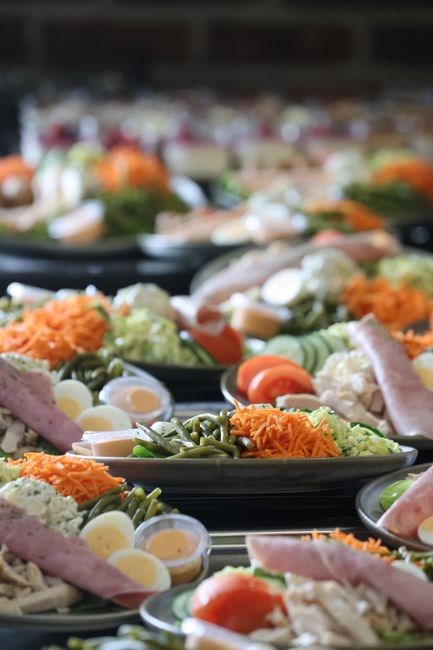
- Sunday – Breakfast: Oatmeal with berries, low‑fat milk. Lunch: Grilled chicken salad, whole‑grain roll. Dinner: Baked salmon, steamed broccoli, quinoa. Snack: Yogurt parfait.
- Monday – Breakfast: Scrambled eggs, toast, orange juice. Lunch: Turkey sandwich, carrot sticks. Dinner: Beef stir‑fry, brown rice. Snack: Apple slices.
- Tuesday – Breakfast: Pancakes, maple syrup, fruit cup. Lunch: Lentil soup, side salad. Dinner: Roast pork, mashed potatoes, green beans. Snack: Cheese cubes.
- Wednesday – Breakfast: Greek yogurt, granola, honey. Lunch: Veggie wrap, cucumber slices. Dinner: Shrimp pasta, garlic bread. Snack: Mixed nuts.
- Thursday – Breakfast: Smoothie, whole‑grain muffin. Lunch: Chicken noodle soup, side salad. Dinner: Tofu curry, jasmine rice. Snack: Banana.
- Friday – Breakfast: Bagel, cream cheese, strawberries. Lunch: Tuna salad, crackers. Dinner: Lamb chops, roasted root vegetables. Snack: Dark chocolate.
- Saturday – Breakfast: French toast, maple syrup, fruit. Lunch: Quinoa bowl, mixed greens. Dinner: Grilled steak, asparagus, baked potato. Snack: Popcorn.
Each entry can be annotated with icons for low‑sodium, diabetic‑friendly, or gluten‑free options, ensuring clarity for residents and staff. The layout is adaptable; a simple table can replace the list for a more formal look, while still maintaining readability and compliance with accessibility standards.
Include a legend that decodes symbols such as a heart for heart‑healthy items, a leaf for plant‑based options, and a cross for allergen‑free meals. A QR code can link to an interactive menu, allowing residents to view nutritional facts or request substitutions. A footer with the facility’s address, phone number, and a link to the dietary policy reinforces transparency and accessibility.
To enhance usability, the PDF can be designed with high‑contrast colors and large fonts (minimum 12‑point) to accommodate visual impairments. Hyperlinks to the resident portal enable staff to update menus in real time, ensuring that dietary changes are reflected instantly!
Creating the PDF Document
Use accessible software like Adobe InDesign or free tools such as Canva. Design with clear fonts, high contrast, and large headings. Export as PDF/A for archival. Embed hyperlinks to dietary policies and add alt text for images to meet accessibility standards. ©2026PDF
Choosing the Right Software Tools
When drafting an assisted‑living menu PDF, selecting the correct software is crucial for clarity, accessibility, and compliance. Professional desktop publishing programs such as Adobe InDesign or QuarkXPress offer precise layout control, master pages, and PDF/A export options that preserve formatting across devices. For budget‑friendly solutions, Canva’s web‑based editor provides pre‑designed templates, drag‑and‑drop functionality, and built‑in accessibility checks that ensure consistency. Microsoft Word or Google Docs can generate basic PDFs but may lack advanced typographic control. Open‑source options like Scribus deliver robust PDF/A export and vector graphics support without licensing costs. Each tool should support embedding alt text for images, tagging for screen readers, and the ability to export a single PDF that can be shared electronically or printed. The workflow typically involves drafting the menu in the chosen editor, applying consistent styles for headings, body text, and sidebars, reviewing the document with a screen‑reader test, and finally exporting to PDF/A‑1b to guarantee long‑term preservation. By aligning the software choice with the facility’s technical infrastructure and staff skill set, administrators can produce menus that are both visually appealing and legally compliant. Additionally, incorporating QR codes that link to nutritional information, allergen alerts, and resident feedback forms can further enhance engagement and transparency, ensuring residents and families stay well and confident in meal choices.
Design Principles for Readability

When creating an assisted‑living menu PDF, readability is paramount. Use a sans‑serif typeface such as Arial or Helvetica, 10‑12 pt for body text and 14‑16 pt for headings. Maintain a 1.5 line spacing to reduce visual fatigue. Ensure a high contrast ratio—black text on a white background or dark gray on a light gray—meeting WCAG 2.1 AA standards. Apply consistent typographic hierarchy: bold or larger fonts for day labels, regular weight for meal descriptions, and italics for special notes. Keep margins wide (1.5 inches) and avoid clutter by using white space around each meal block. Organize content into clear sections—Breakfast, Lunch, Dinner, Snacks—using horizontal rules or subtle background shading. Employ bullet lists for ingredients and allergy warnings to aid quick scanning. Include icons or color‑coded symbols for vegetarian, vegan, low‑sodium, or diabetic options, but keep the palette muted to prevent distraction. Add alt text to any images or logos to support screen readers. Finally, proofread for typographical errors and test the PDF on multiple devices to confirm legibility across screen sizes. By adhering to these principles, the menu becomes an accessible, user‑friendly resource for residents, families, and staff alike. Additionally, consider embedding QR codes that link to detailed nutritional data, allowing residents to view ingredient lists and allergen information on their smartphones. This approach not only enhances engagement but also supports compliance with statenutrition guidelines and fosters transparency in meal planning.

Compliance and Accessibility
Menus must meet state health codes, ADA, and Medicare guidelines. Use clear fonts, high contrast, alt text, and large icons. Provide allergen alerts, dietary restrictions, and multilingual labels. Test PDFs on screen readers and mobile devices for full accessibility.
Legal and Regulatory Considerations

Assisted living menu PDFs must comply with federal and state regulations, including the Centers for Medicare & Medicaid Services (CMS) guidelines, state health department standards, and the Americans with Disabilities Act (ADA). The Food and Drug Administration (FDA) requires accurate labeling of ingredients, allergens, and nutritional information. State licensing authorities mandate that menus reflect approved meal plans, portion sizes, and dietary restrictions for residents with conditions such as diabetes, hypertension, or renal disease. Documentation must be retained for audit purposes, and any changes to the menu must be communicated promptly to residents, families, and staff. Compliance also involves adhering to privacy regulations under HIPAA when sharing resident dietary preferences. Failure to meet these legal requirements can result in penalties, loss of accreditation, or legal liability for the facility.
Facilities must maintain accurate records of menu changes, updating PDFs within 48 hours. Documentation should note the date, change type, responsible staff, and impact on nutrition. State inspectors audit compliance; discrepancies can lead to fines or license suspension. Electronic menu systems integrated with resident health records allow real‑time adjustments for allergies, dysphagia, or caloric needs, and should support assistive tech like text‑to‑speech and high‑contrast displays. Adhering to these regulations protects residents and upholds quality care. daily. now