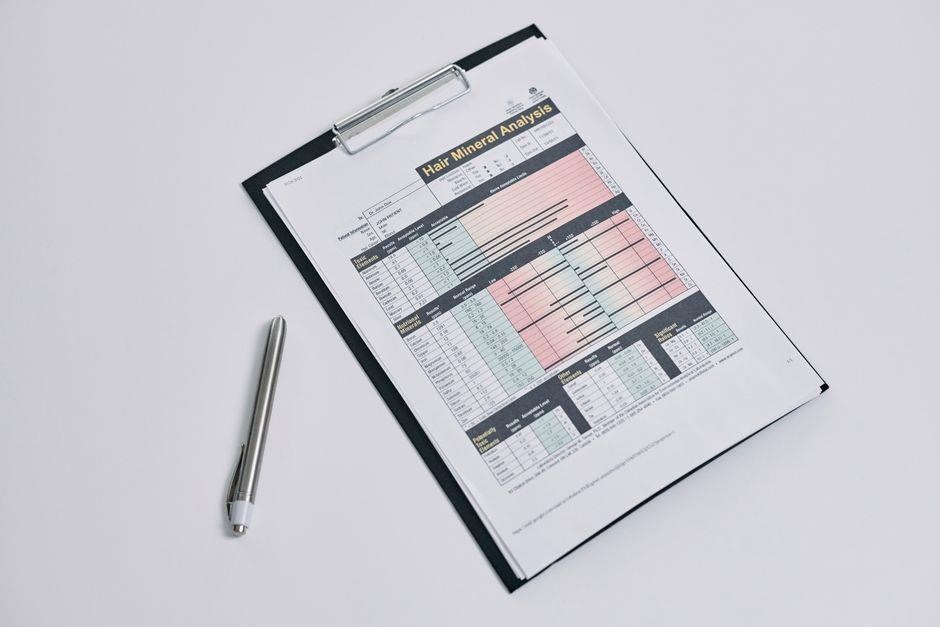
Cell transport graphic organizer answer key PDFs provide ready‑made solutions for students․ They include labeled arrows, diagrams, and step‑by‑step explanations, enabling quick reference and self‑assessment․ Many are available on Studocu and other educational sites․ They are free to download․ practice!․
Purpose and Utility
Answer key PDFs for cell‑transport graphic organizers are designed to streamline learning and assessment․ They give students a ready reference that shows the correct placement of arrows, labels, and symbols for each transport mechanism—passive diffusion, facilitated diffusion, osmosis, and active transport․ By comparing their own drawings to the key, learners can spot mistakes, understand the direction of movement, and reinforce concepts such as concentration gradients and membrane permeability․ Teachers benefit from having a single source that aligns with curriculum standards; grading becomes faster and more consistent, and the key can be reused across multiple classes․ For self‑study, the PDFs serve as a study aid: students can test themselves, then immediately verify their work, promoting active recall and reducing the need for instructor intervention․ Many educational platforms, including Studocu, host these PDFs for free, making them accessible to a wide audience․ The keys often include brief explanations, diagrams, and even sample questions, which help clarify why a particular answer is correct․ In exam preparation, having a concise, authoritative reference can boost confidence and improve performance․ Overall, cell‑transport graphic organizer answer key PDFs are a valuable resource that supports both teaching and learning by providing clarity, consistency, and immediate feedback․ for all!!
Common Formats

Answer key PDFs for cell transport graphic organizers come in several popular formats that cater to diverse learning styles and classroom needs․ The most common layout is the “step‑by‑step” format, where each transport mechanism—passive diffusion, facilitated diffusion, osmosis, and active transport is broken down into numbered stages․ Students can follow the arrows and annotations to see the movement of molecules, the energy requirements, and the role of membrane proteins․ This format is ideal for visual learners who benefit from a clear, linear progression․
Other common formats include comparison charts, diagram‑centric layouts, and interactive quiz‑style PDFs․ Comparison charts list key attributes—type, energy, direction, and examples—in columns for quick side‑by‑side review․ Diagram‑centric PDFs feature a large, labeled cell‑membrane illustration with arrows and concise bullet points․ Interactive quizzes embed clickable elements that reveal the answer key after completion, blending assessment with instruction․
When teachers distribute answer key PDFs, they can align the organizer with lesson objectives and assessment rubrics․ Students use the key to self‑check their diagrams, identify misconceptions, and reinforce the causal relationships between concentration gradients and membrane transport․ By incorporating these resources into flipped‑classroom activities, educators promote active learning and metacognition, allowing learners to monitor progress and adjust strategies in real time․
Answer key PDFs reinforce learning,build confidence․
Types of Cell Transport
Answer keys for cell transport graphic organizers clarify passive, active, facilitated diffusion, and osmosis steps; PDFs show arrow diagrams, labels, and example questions․ They help students verify accuracy and understand each transport type quickly․ Use these PDFs for self‑check and review․ again․ OK
Passive Transport
Passive transport moves molecules across a cell membrane without cellular energy․ In a typical graphic organizer answer key PDF, this process is shown with arrows illustrating diffusion and osmosis․ The key contains a diagram of a lipid bilayer, labeled with hydrophilic and hydrophobic regions, and shows how small non‑polar molecules, such as oxygen and carbon dioxide, can pass directly through the membrane․ Larger or charged molecules, such as glucose or ions, are depicted using transport proteins highlighted in the key․ The answer key also gives step‑by‑step explanations for each scenario, including the direction of movement relative to concentration gradients․ Students can use the key to check their drawings, ensuring arrows point from high to low concentration and that the correct type of transport is chosen․ Many educators recommend downloading the PDF from Studocu or other free resources, as the key is often updated to reflect the latest curriculum standards․ By reviewing the key, learners gain confidence in identifying passive transport mechanisms and can quickly correct misconceptions about diffusion, osmosis, and facilitated diffusion․ The layout highlights concentration gradients and membrane permeability, showing how passive transport differs from active transport in terms․ The answer key often includes sample questions that test students’ ability to label diagrams accurately and for practice․ See!
Active Transport
Active transport is a vital cellular process that moves molecules against their concentration gradient, requiring energy input, usually from ATP hydrolysis․ In a typical cell transport graphic organizer answer key PDF, this section is highlighted with diagrams of the sodium‑potassium pump, proton pump, and other carrier proteins․ The key illustrates how the pump binds two Na⁺ ions on the cytoplasmic side, hydrolyzes one ATP molecule, releases the ions to the extracellular side, and then repeats the cycle․ The answer key also annotates the conformational changes: inward‑facing, occluded, outward‑facing states, and the role of the transmembrane domain․ Students can trace the arrow paths to see the direction of transport, the energy source, and the resulting electrochemical gradient․ Additionally, the PDF often includes a short quiz question: “Which molecule provides the energy for the sodium‑potassium pump?” with the correct answer “ATP․” By comparing the answer key to their own organizer, learners can verify if they correctly labeled the ATP binding site, the ion specificity, and the direction of movement․ This reinforces the concept that active transport is essential for maintaining cellular homeostasis, nerve impulse conduction, and muscle contraction․ The graphic organizer answer key thus serves as both a study aid and a self‑check tool, ensuring that students grasp the mechanics of energy‑dependent transport mechanisms in a clear, visual format․ The answer key includes a table contrasting passive and active transport, showing energy requirement and directionality․ Students use the key to annotate diagrams, ensuring ATP hydrolysis drives the pump’s conformational changes․
Facilitated Diffusion
Facilitated diffusion is a passive transport process that uses specific transmembrane proteins to move molecules down their concentration gradient․ In a cell transport graphic organizer answer key PDF, this section typically includes a diagram of a protein channel or carrier, arrows indicating direction, and labels for the solute and the protein type․ The answer key explains that the process is energy‑free, relies on the existing gradient, and is selective for particular molecules such as ions, glucose, or amino acids․

Key points highlighted in the answer key:
- Transporters are integral membrane proteins․
- They bind the solute on one side of the membrane․
- Binding induces a conformational change that releases the solute on the opposite side․
- Process repeats without ATP consumption․
- Examples: GLUT transporters for glucose, aquaporins for water, and ion channels for Na⁺, K⁺, Cl⁻․
Students can use the answer key to verify their own diagrams, ensuring that arrows correctly point from high to low concentration and that the protein type is accurately labeled․ The PDF format allows easy printing and annotation, making it a valuable resource for self‑study or classroom review․
Teachers use the answer key PDF to match arrows with proteins, test directionality, and spot errors․ Color‑coded arrows help students see mistakes․
Additionally, the answer key may include a quiz where students answer about facilitated diffusion, reinforcing passive transport!

Osmosis
Osmosis is the passive movement of water molecules across a selectively permeable membrane from a region of lower solute concentration to a region of higher solute concentration․ In a cell transport graphic organizer answer key PDF, the osmosis section typically illustrates the direction of water flow with arrows, labels the hypertonic, hypotonic, and isotonic conditions, and explains the resulting cellular responses such as plasmolysis, crenation or turgor pressure․ The key often includes a diagram of a plant cell in a sucrose solution, a fish cell in a freshwater environment, and a human red blood cell in a saline bath, each annotated to show the net water movement․ Students can use the answer key to compare their own drawings against the correct depiction, ensuring they correctly identify the driving force—osmotic pressure—and the role of aquaporins in facilitating water transport․ Additionally, the PDF may provide a short quiz or fill‑in‑the‑blank section to test comprehension, reinforcing the concept that osmosis is driven by chemical potential differences and that it is a form of passive transport that does not require ATP․ By studying the answer key, learners can refine their understanding of how cells maintain homeostasis through regulated water movement, a critical component of many physiological processes such as nutrient absorption, waste removal, and cellular signaling․ The answer key also highlights common misconceptions, such as confusing diffusion with osmosis, and offers corrective explanations․ In summary, the osmosis portion of a cell transport graphic organizer answer key PDF serves as key mastering water movement across membranes, and a biology topic․
Creating a Graphic Organizer
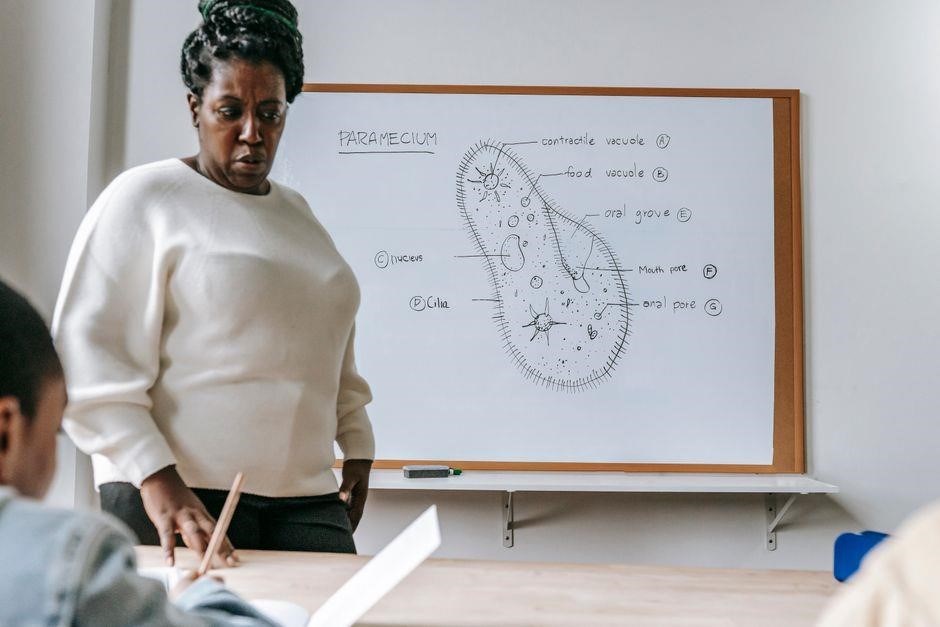
Design a clear layout: title, sections for passive, active, facilitated diffusion, osmosis․ Use arrows, color codes, and concise labels․ Add an answer key column with correct symbols and brief explanations․ Save as PDF for easy sharing․ Add sample questions and choices
Key Components to Include
The answer key PDF for a cell transport graphic organizer should feature several essential elements that collectively provide clarity, accuracy, and educational value․ First, a concise title and reference number or code help students locate the correct resource quickly․ Next, a detailed legend or key explains symbols, arrows, and color codes used throughout the diagram, ensuring that learners can interpret directional flow and transport mechanisms without confusion․ Each transport type—passive diffusion, facilitated diffusion, osmosis, and active transport—must be represented with distinct icons or arrows, accompanied by brief descriptors that highlight driving forces, energy requirements, and membrane selectivity․ Additionally, the answer key should include example scenarios or sample questions, each paired with a fully annotated diagram that demonstrates the correct movement of molecules․ This allows students to compare their own responses with the model solution․ Finally, a brief summary or reflection section encourages learners to articulate why certain transport processes occur under specific conditions, reinforcing conceptual understanding․ All text should be in clear, concise English, and the PDF must be accessible, with high‑contrast colors and legible fonts for diverse learning needs․
Students can also download the PDF from the biology curriculum portal, where it is available in languages and includes quizzes that test understanding of each transport type․ The PDF can be printed or shared with peers․ easily
Examples from Studocu
Studocu hosts a variety of cell transport graphic organizer answer key PDFs that cater to different learning styles․ Students can find concise, well‑structured solutions that illustrate key concepts such as diffusion, osmosis, and active transport․ Each document typically includes a labeled diagram, a brief explanation of the process, and sample questions with correct answers․ The answer keys are designed to complement the original organizer, allowing learners to verify their work and identify any misconceptions․ Many of these resources are free to download after creating a Studocu account, and they are organized by subject, grade level, and difficulty․ By reviewing the answer key, students can see how each arrow in the diagram corresponds to the movement of molecules, reinforcing the visual representation of transport mechanisms․ Additionally, the keys often provide context clues and mnemonic devices that help students remember the directionality and energy requirements of each transport type․ This makes Studocu a valuable tool for both classroom instruction and independent study, as it bridges the gap between theoretical concepts and practical application․ When using these PDFs, it is advisable to first attempt the questions on your own, then consult the key to confirm your understanding and to explore alternative explanations that may deepen your grasp of cellular transport dynamics․ These answer keys also serve as a quick reference for teachers preparing lesson plans, allowing them to align objectives with assessment items․ By incorporating the key into classroom activities, students can practice identifying transport mechanisms in real‑life scenarios such as nutrient absorption in the gut or ion exchange in plant roots!!!??

Answer Key PDFs for Graphic Organizers
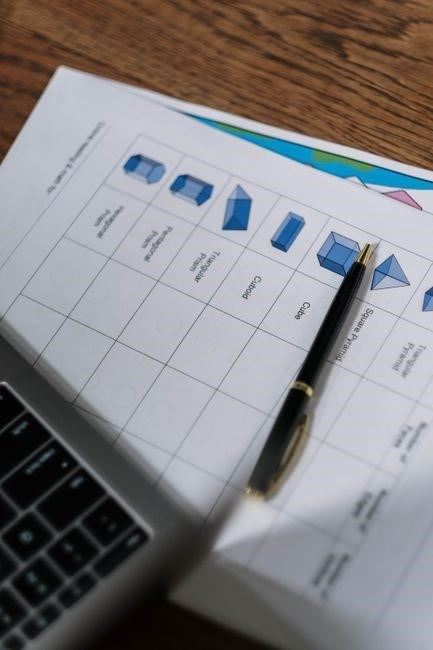
Answer key PDFs for cell transport graphic organizers are free resources on Studocu and other sites․ They contain correct arrows, labels, and explanations for passive and active transport scenarios․ Students can download, print, and compare their work for selfassessment․ Use them to review concepts fat
Availability and Sources
Students and educators can find cell transport graphic organizer answer key PDFs through several reputable platforms․ The most popular source is Studocu, where users upload peer‑reviewed documents, often accompanied by annotations that clarify complex concepts․ Another reliable repository is the OpenStax library, which offers free, peer‑reviewed educational materials that include answer keys for many biology worksheets․ The National Center for Biotechnology Information (NCBI) hosts a collection of supplementary files for journal articles, some of which contain downloadable PDF answer keys․ Additionally, university course pages (e․g․, MIT OpenCourseWare, Stanford e‑Learning) frequently provide downloadable resources for their biology modules, including graphic organizer solutions․ Teachers can also search the Google Scholar database for “cell transport graphic organizer answer key pdf” to locate academic papers that provide detailed solutions․ Finally, many textbook publishers (e․g․, Pearson, McGraw‑Hill) offer supplemental websites where students can log in with a course code to access PDF answer keys․ When using these sources, always verify that the answer key aligns with the specific textbook edition or curriculum used in your class․ Some PDFs may be outdated or contain errors, so cross‑checking with the latest edition is recommended․ By leveraging these platforms, students can quickly access accurate, downloadable answer keys and improve their understanding of cell transport mechanisms․ These PDFs are updated to reflect new editions and can be printed for study now!!
Using the Answer Key Effectively
When you have a cell transport graphic organizer answer key PDF, treat it as a study companion rather than a shortcut․ First, review the questions on your own, drawing the transport diagram, labeling the direction of movement, and noting the type of transport (passive, active, facilitated diffusion, or osmosis)․ Then, open the answer key and compare each step․ Pay close attention to the arrow directions and the accompanying annotations; a misplaced arrow often signals a conceptual error․ Use the key to identify which parts of the diagram you understood correctly and which parts need clarification․ For the sections that are correct, highlight them in green to reinforce the right approach․ For the incorrect sections, rewrite the diagram in a new sheet, correcting the arrow and adding a brief explanation of why the original placement was wrong․ This active correction process strengthens memory retention․ Additionally, many answer keys include concise explanations or rationales for each answer․ Read these rationales carefully, and if a concept still feels shaky, search for supplementary videos or interactive simulations on platforms such as Amoeba Sisters or Khan Academy․ Finally, after you have fully reconciled your work with the answer key, test yourself again by creating a fresh graphic organizer without looking at the key․ If you can reproduce the correct diagram and explanation, you have successfully internalized the transport mechanisms․ Remember, the answer key is a tool for learning, not a crutch; use it to guide your understanding and to build confidence in your ability to illustrate cell transport processes accurately․accurately․ Use it wisely․daily!?